AN AUXILLARY OF THE A.E.O.N.M.S., INC.
About Us

Our story, our mission, and our commitment to excellence
History of the Daughters of the Imperial Court (Prince Hall Affiliation)
The Daughters of the Imperial Court is a historic women’s auxiliary organization affiliated with Prince Hall Freemasonry through the Ancient Egyptian Arabic Order Nobles Mystic Shrine (A.E.A.O.N.M.S.), commonly known as the Prince Hall Shriners. This affiliation places the organization within one of the most enduring traditions of African American fraternal life, civic leadership, and community service.
Origins and Early Organization
In the early 1900s, female relatives of Prince Hall Shriners—including wives, sisters, daughters, and mothers—formed independent local groups in cities such as Maryland, Rhode Island, and Washington, D.C. These women were deeply committed to service, fellowship, and benevolence, mirroring the principles and values upheld by their Shrine counterparts.
Recognizing the need for unity and national organization, representatives from these local groups met in 1909 with a committee of Prince Hall Shriners to formally request the establishment of a national women’s auxiliary. Their goal was to create an organized body through which women could collectively advance charitable works, mutual support, and community uplift.
Formal Establishment
The request was approved during the annual session of the A.E.A.O.N.M.S. held in Detroit, Michigan, on August 24, 1910. This marked the official founding of the national organization, which initially consisted of twelve local courts. From its inception, the organization began building a strong legacy of service, leadership, and social impact.
Purpose and Principles
Established to unite women connected to Prince Hall Shriners, the organization was founded on principles of charity, benevolence, honor, integrity, and mutual respect. Its early symbolism drew inspiration from ancient Egyptian ideals, reflecting a commitment to moral excellence, structured service, and collective responsibility—values that continue to guide its work today.
Growth and Expansion
Throughout the twentieth century, the organization experienced significant growth. Courts were established across the United States and later internationally. By the late 1900s, the organization included more than 200 courts, with membership extending to countries such as Canada, the Bahamas, Germany, Italy, South Korea, and Japan.
Evolution of the Name
Historically, the organization was known as the Daughters of Isis. In later years, the organization adopted the name Imperial Court, and its members became known as the Daughters of the Imperial Court, reflecting its expanded scope, global presence, and evolving identity. This change also served to clearly distinguish the organization from unrelated groups with similar names. While the name evolved, the organization’s mission, traditions, and Prince Hall Shrine affiliation have remained steadfast.
Lasting Legacy
For more than a century, the Daughters of the Imperial Court has stood as a pillar of service, leadership, and empowerment. Through scholarships, health awareness initiatives, mentoring programs, and charitable endeavors, its members continue to honor the organization’s foundational values while strengthening communities locally and globally.
The History of Suakim Court No. 54
Suakim Court No. 54 is a constituent body of the Daughters of the Imperial Court, an auxiliary of the Ancient Egyptian Arabic Order Nobles Mystic Shrine of North and South America and Its Jurisdiction (A.E.A.O.N.M.S.), Inc. The primary mission of this fraternal organization is to unite the relatives of members of the Prince Hall Shriners through a shared commitment to Friendship, Charity, and Benevolence.
Suakim Court No. 54 is dedicated to enhancing the economic and social development of the community by:
● Supporting services for those in need
● Mentoring youth
● Promoting positive initiatives throughout the domain
Membership is primarily composed of wives, mothers, sisters, daughters, widows, nieces, and granddaughters of the Nobles and Daughters within the organization.
Historically, the organization was known as the Daughters of Isis, a name that honored Isis, the ancient Egyptian symbol of devotion, compassion, and selflessness. Today, the organization is recognized as the Daughters of the Imperial Court, reflecting its continued growth and evolving identity while preserving its foundational mission and Prince Hall Shrine affiliation.
Founding and Early History
The history of Suakim Court No. 54 began on December 6, 1921, when a group of ladies and gentlemen convened in Wilmington, Delaware, with the aspiration of forming a club that would later transition into a formal court. Initially named Arabia Court, the organization received its official charter in March 1922.
In 1946, an edict was issued across North and South America and Its Jurisdiction directing all courts to adopt the names of their corresponding Temples. As a result, Arabia Court was renamed Suakim Court No. 54.
For nearly nine decades, Suakim Court No. 54 remained the only court in the State of Delaware, underscoring its unique historical role and leadership. On April 17, 2009, the establishment of Fez Court No. 211 marked a significant milestone. Suakim Court No. 54, alongside Pyramid Court No. 17 and Minaret Court No. 154 of the Desert of Pennsylvania, played a pivotal role in founding the Fez Isis Club, resulting in twenty-three Daughters joining Fez Court No. 211, Oasis of Dover, Desert of Delaware.
In 2021, the establishment of Mina Court No. 142 further expanded the legacy of courts within the state.
Milestones and Recognition
On March 21, 2022, Suakim Court No. 54 proudly celebrated 100 years of leadership and service. On May 18, 2023, the Court received a Proclamation from the City of Wilmington, recognizing its longstanding charitable contributions to the city and surrounding New Castle County communities.
Community Service and Outreach
Local outreach initiatives include:
● Providing meals to individuals experiencing homelessness
● Hosting events for the Terry Children’s Psychiatric Center
● Supporting shelters for women and children
● Assisting the Alfred I. duPont Ronald McDonald House
On a national level, charitable support has included contributions to:
● Sickle Cell Research
● National Community Health Initiatives
● March of Dimes
● NAACP (Lifetime Membership)
● United Negro College Fund (UNCF)
● American Cancer Society (over $20,000 contributed to date)
Leadership and Legacy
Suakim Court No. 54 honors the Daughters and Nobles who laid the foundation upon which the Court continues to thrive. The Court proudly recognizes 82 Past Commandresses, 11 Honorary Past Commandresses, and 4 Honorary Past Imperial Commandresses, whose leadership and service have significantly shaped the Imperial Court and the enduring legacy of Suakim Court No. 54.
Current leadership includes Illustrious Advisor Noble James R. Fitzgerald Jr., HPIP, of Suakim Temple No. 60, and Dt. Christol Caulk, Illustrious Commandress. Their leadership exemplifies dedication, service, and commitment to community uplift.
Suakim Court No. 54 remains steadfast in honoring its history while continuing to serve the Imperial Court and, most importantly, the community.
Our Departments
Diverse programs serving our members and community
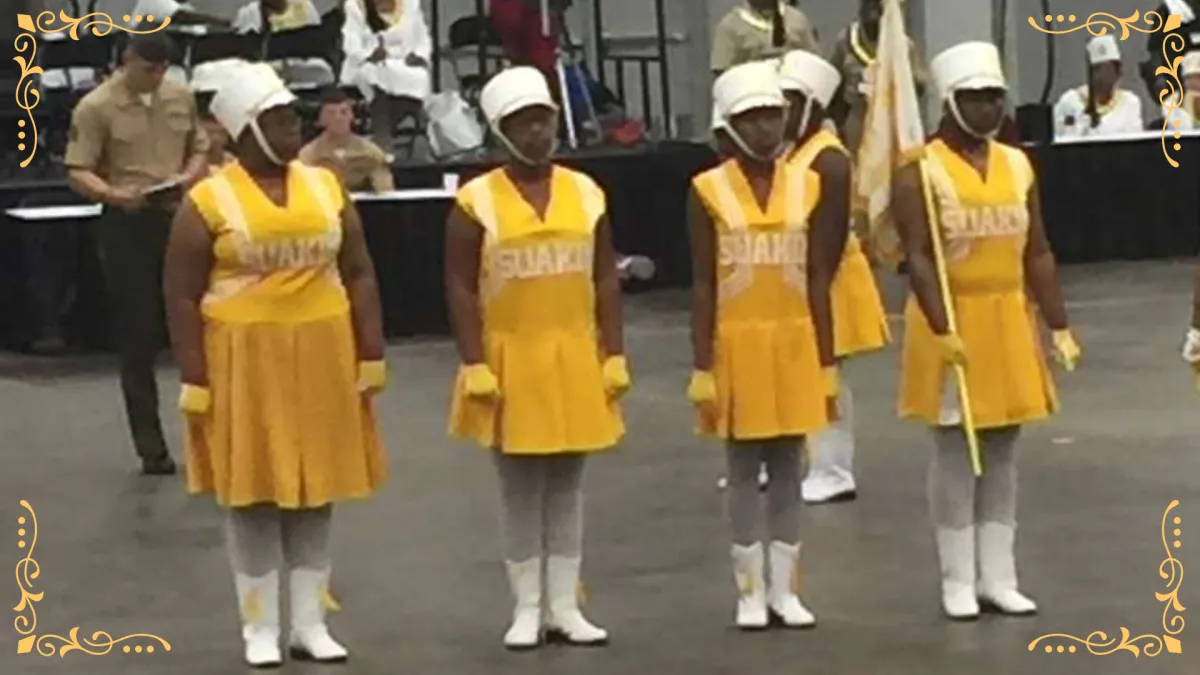
Youth Department
Nurturing the next generation of leaders through mentorship, education, and community service.
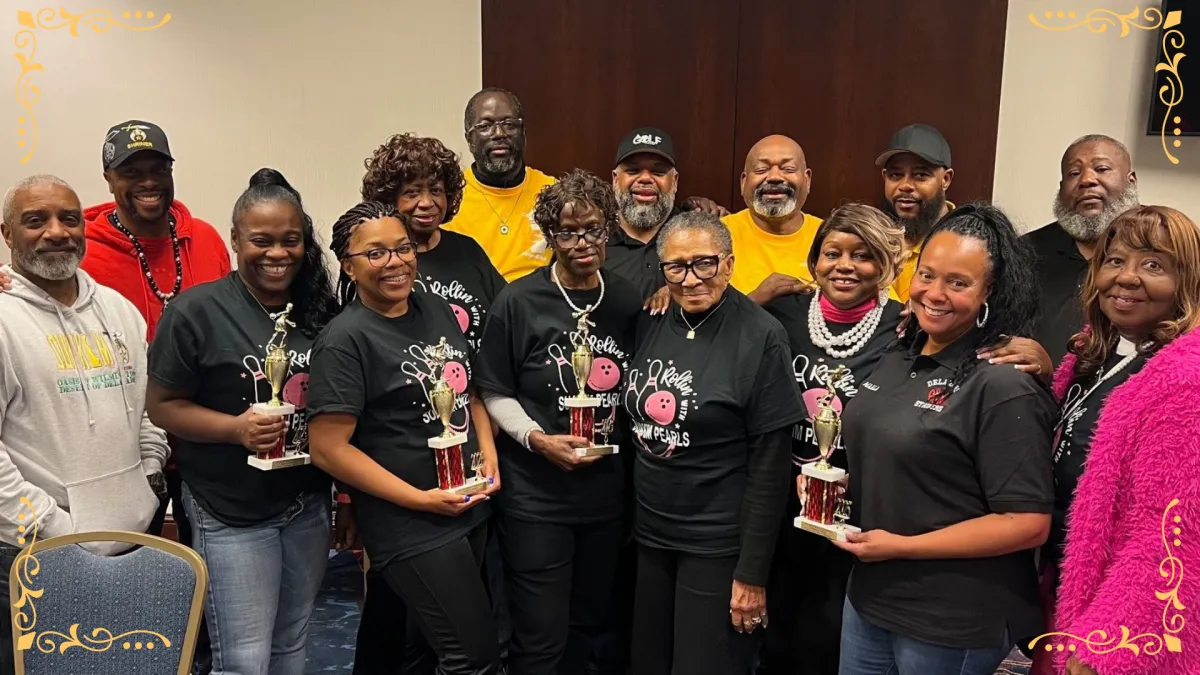
Bowling Unit
Building fellowship and community through recreational activities and friendly competition.
Join Us
Become part of our sisterhood dedicated to service and excellence
Membership Overview
Dedication to community service and sisterhood
Opportunities for leadership development
Fellowship with like-minded women
Access to exclusive events and programs
Connection to a national organization
Contact Information
Interested in joining Suakim Court No. 54? We'd love to hear from you!
P.O. Box 9331 Wilmington, DE 19809 - 9331
"Bound by Sisterhood Driven by Purpose"
In Unity We Rise In Purpose We Shine
CONTACT INFORMATION
QUICK LINKS
SOCIAL MEDIA LINKS


Copyright 2026. SUAKIM COURT NO. 54. All Rights Reserved.